Bathroom & Shower Tile
Wet areas done right. Waterproofing before every tile. No shortcuts on the substrate.
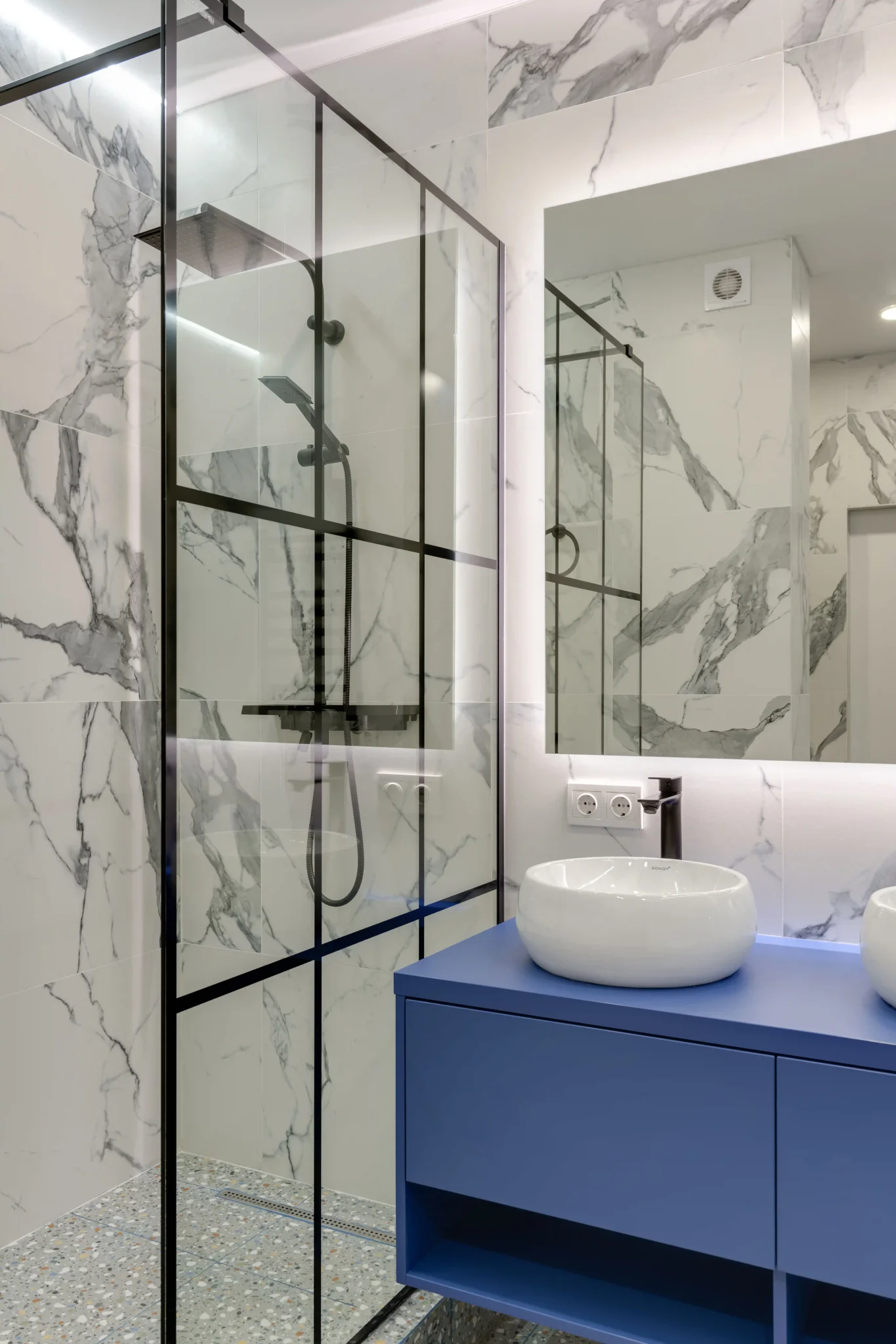
Waterproofing Comes First. Always.
A shower is a wet area that takes water every day. The tile is the visible surface, but the waterproofing membrane underneath is what keeps water where it belongs. We apply a liquid-applied membrane or a sheet membrane system over the substrate before any tile is set. The membrane gets turned up at the curb, wrapped at the corners, and integrated with the drain assembly. Skipping this step is the reason bathrooms leak into the floor structure below.
We use polymer-modified thinset in all wet areas. Standard thinset can lose bond strength when repeatedly wetted and dried. The polymer additive maintains adhesion through the wet-dry cycles that happen every time someone takes a shower.
For shower floors, we pre-slope the mortar bed toward the drain at a rate of 1/4 inch per foot. That slope is what keeps water from pooling. A flat shower floor will always have standing water in the corners, and standing water is what causes grout to fail and mold to grow.
What We Install in Bathrooms
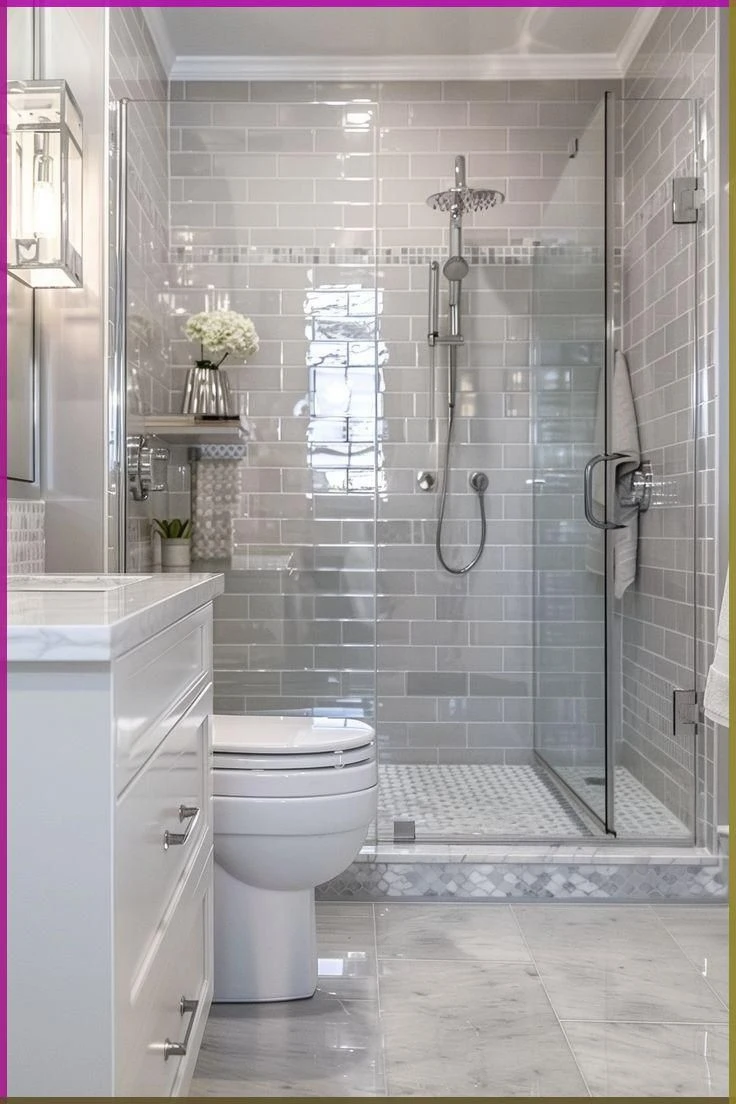
Walk-In Showers
Full shower systems including waterproofed floor, walls to ceiling, built-in niches, and benches. Linear drains and center drains both handled.
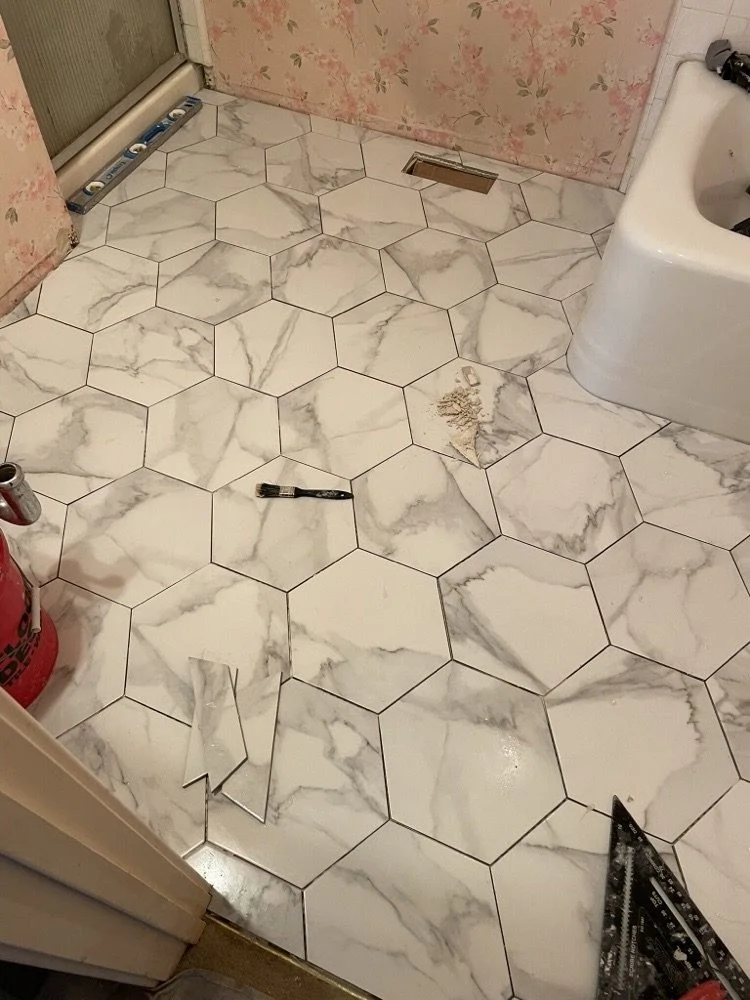
Tub Surrounds
Three-wall tub surrounds, freestanding tub decks, and combination tub/shower conversions. Tile to the ceiling or to a defined accent line.
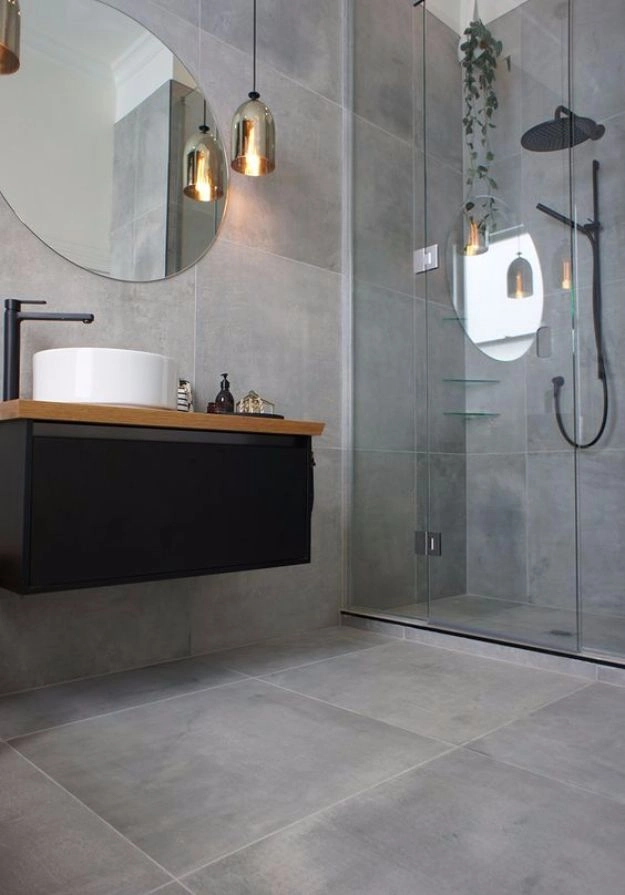
Bathroom Floors
Mosaic, large-format, hexagon, or straight-lay floor tile. We level the slab or subfloor before setting to prevent lippage on large tiles.
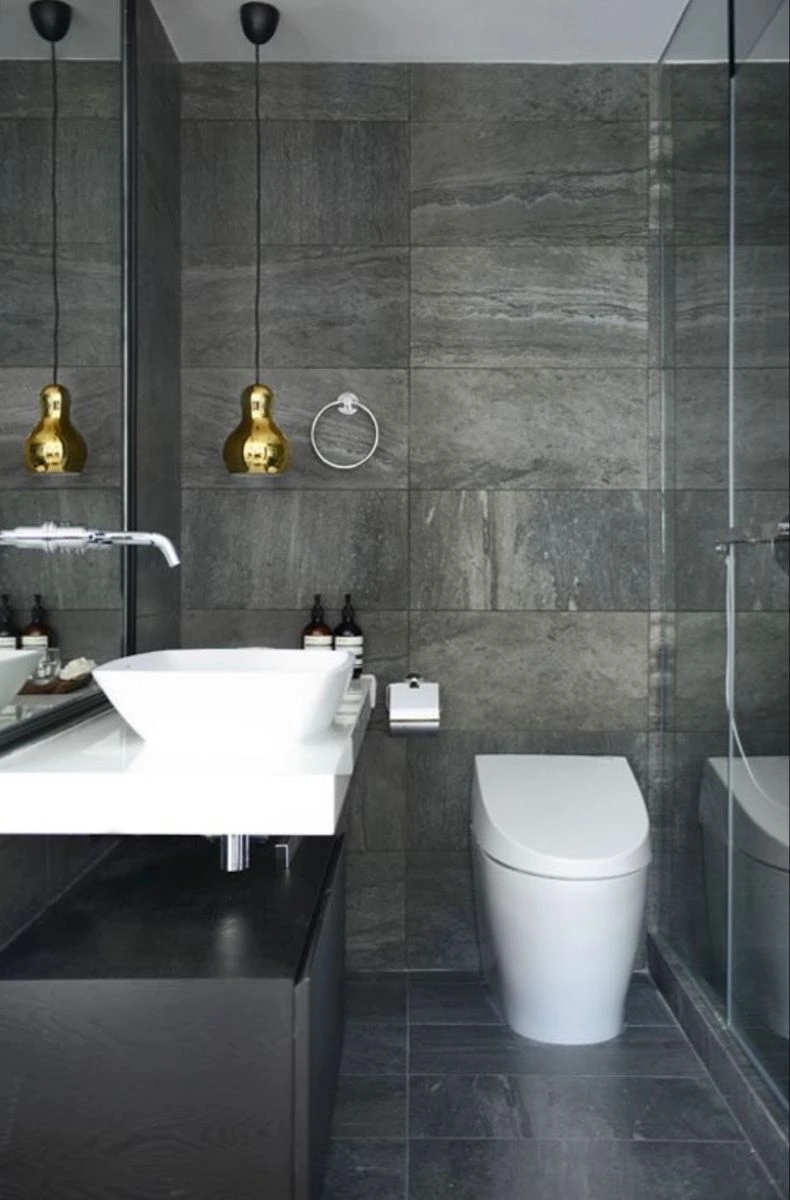
Feature Walls
Floor-to-ceiling accent walls, vanity backsplashes, and decorative borders. Pattern layout planned before setting begins.
Bathroom Tile Across the South Bay
Bathroom and shower tile is available throughout our service area. We handle full demo and replacement, or new construction rough-in work.
Bathroom Tile FAQ
What is the difference between a shower pan and a mortar bed?
A shower pan is a pre-formed acrylic or fiberglass base that sits on the subfloor. A mortar bed (also called a mud bed) is a hand-formed layer of sand and Portland cement that is sloped toward the drain. A mortar bed allows you to use any tile you choose and creates a custom slope. It also requires more skill and time to install correctly. For tile shower floors, a mortar bed is the traditional approach and gives the most flexibility in design.
How do you handle built-in shower niches?
Shower niches are framed into the wall between studs, lined with backer board, and then waterproofed before tile is applied. The floor of the niche needs a slight slope toward the shower to drain — a flat niche floor will hold standing water. We tile the niche walls, floor, and back in the same session as the surrounding shower walls so the grout lines align. The front edge is typically finished with bullnose tile or a metal schluter strip for a clean transition.
Can you retile a shower without replacing the drywall?
Sometimes. If the existing drywall is dry and structurally sound, and if there is no evidence of water intrusion behind the tile, it may be possible to retile over it with proper prep. But if the demo reveals any water damage, mold, or drywall that has absorbed moisture, the drywall needs to come out and be replaced with cement backer board or a waterproof substrate before any new tile goes in. We assess this during demo and tell you what we find before proceeding.
What type of tile works best for a shower floor?
Smaller tiles with more grout lines give better traction because the grout lines act as grip. Mosaic tiles — 1x1 or 2x2 — work well for this reason and also conform to the curved slope of a mortar bed more easily than large tiles. If you want a large-format tile on the shower floor, it needs a very flat mortar bed and a linear drain that accommodates the slope from one side. Both approaches work; the choice depends on the look you want and the drain configuration.
Bathroom Project in the South Bay?
Call us at (626) 547-4260 or describe your project and we will get back to you within one business day.